Objective Project Scope
Sampling and inspection are selected for the complaint, property type, suspected source, building history, and intended use of the findings.
Independent Environmental Testing & Industrial Hygiene Consulting
Independent environmental testing, indoor air quality assessments, field sampling, laboratory coordination, industrial hygiene consulting, and written reporting for homes, apartments, offices, schools, health care facilities, commercial properties, and public buildings.
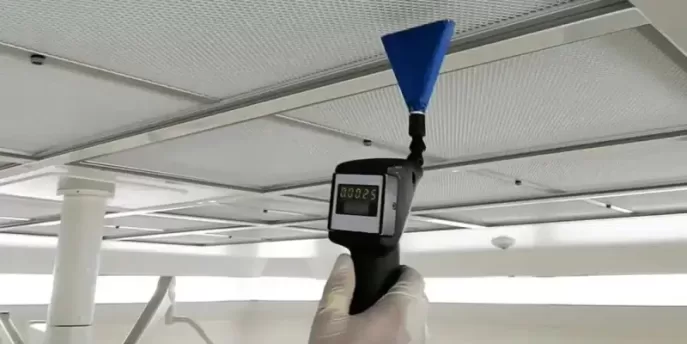
Independent environmental consulting
Angstrom Testing Services LLC evaluates indoor environmental and industrial hygiene concerns involving mold, asbestos, lead, drinking water, crystalline silica, formaldehyde, volatile organic compounds, chemical odors, mercury vapor, bacteria, Legionella, mycotoxins, smoke residue, ventilation, HVAC systems, and radiofrequency exposure.
We provide inspection, testing, sampling, laboratory coordination, consulting, and written reporting. We do not perform mold remediation, asbestos abatement, lead abatement, duct cleaning, hazardous-material cleanup, or restoration contracting.
Separating testing from corrective work helps reduce conflicts of interest and keeps the findings centered on observed conditions, selected sample locations, field measurements, analytical results, project objectives, and appropriate limitations.
Environmental testing services
Select a service to review typical project objectives, sampling methods, limitations, service areas, and the type of documentation that may be provided.
Odors, particles, ventilation, smoke, HVAC concerns, selected chemical vapors, direct-reading measurements, and written IAQ reports.
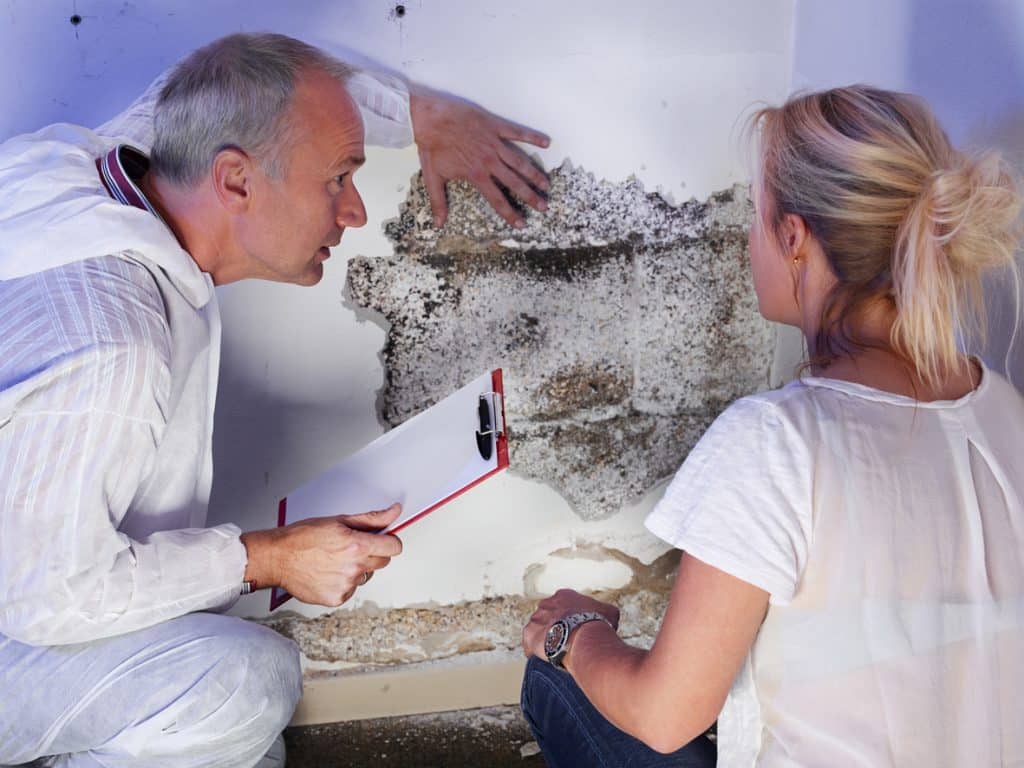
View air quality testingMold inspections, moisture assessment, targeted air or surface sampling, hidden-mold investigation, HVAC assessment, and post-remediation verification.
View mold testingAir handler, fan coil, blower, coil, condensate pan, duct liner, register, odor, and surface contamination assessments.
View HVAC mold assessmentNYS-certified inspections, bulk material sampling, asbestos air testing, renovation or demolition surveys, settled-dust evaluation, and project documentation.
View asbestos testingXRF lead paint inspections, lead dust wipes, risk assessments, water and soil sampling, clearance, and NYC documentation support.
View lead testingLead, copper, manganese, bacteria, Legionella, VOCs, PFAS, physical parameters, and project-specific drinking-water testing.
View water testingPotable water, showers, sinks, hot-water systems, tanks, recirculation, baseline, investigative, and water-management sampling support.
View Legionella testingFormaldehyde sampling, VOC air testing, chemical odor investigations, new-material concerns, smoke-related investigations, and laboratory-supported reporting.
View formaldehyde and VOC testingNIOSH Method 6009 air sampling, spill assessment, direct-reading evaluation when included, and post-cleanup documentation.
View mercury vapor testingSilica air sampling, settled-dust testing, construction dust assessments, exposure monitoring, baseline studies, and written reports.
View silica testingEnvironmental bacteria sampling for sewage impacts, surfaces, air, HVAC, selected water concerns, and post-cleaning verification.
View bacteria testingEnvironmental dust, surface, or selected material sampling connected to mold, moisture, building history, laboratory method, and result limitations.
View mycotoxin testingTargeted environmental investigation for recognized site concerns, including soil, groundwater, vapor, petroleum or other property-specific environmental questions.
View Phase II assessmentsEvaluation of known or suspected underground storage tanks, historical fill and vent piping, site records, and property-specific tank concerns.
View UST assessmentsCell tower and rooftop antenna measurements, apartment and workplace assessments, power-density measurements, and FCC guideline comparison.
View RF exposure testingWhy independent testing matters
Sampling and inspection are selected for the complaint, property type, suspected source, building history, and intended use of the findings.
Methods, instruments, media, sample duration, laboratory capability, reporting limits, and quality-control needs are considered for the objective.
Reports may document observations, sample locations, field conditions, analytical results, interpretation, limitations, and recommended next steps.
Because Angstrom does not sell remediation or abatement work, testing findings are not used to generate cleanup-contracting revenue.
How an assessment works
We review the property, complaint, history, affected areas, previous work, occupancy, timing, and type of documentation needed.
The inspection, instruments, sample types, locations, laboratory requirements, and reporting approach are selected for the project objective.
Accessible conditions are evaluated and air, dust, surface, water, material, or direct-reading measurements are collected when appropriate.
Laboratory and field data are reviewed with the sample locations, building conditions, comparison samples, and relevant technical context.
The final documentation explains what was evaluated, what the results show, important limitations, and recommended next steps when warranted.
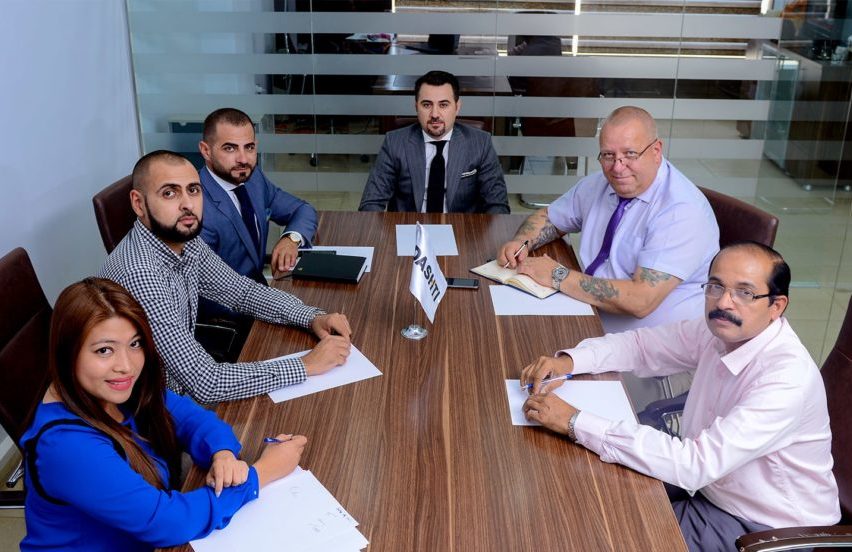
Residential, commercial and institutional projects
Project scopes are adapted to the building, concern, occupants, access, regulatory context, and the decision the client needs to make.
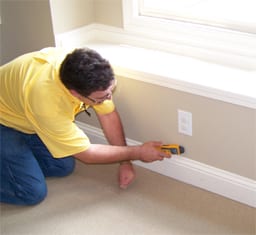
Field inspection and documentation
Official technical and regulatory resources
Depending on the project, sampling and interpretation may reference applicable methods, regulations, public-health guidance, laboratory requirements, or exposure criteria. These official resources are provided for convenient access.
Federal information about indoor pollutants, source control, ventilation, filtration, and building air quality.
Open EPA resource NIOSH Manual of Analytical MethodsSampling and analytical methods for workplace air, surfaces, biological media, and related exposure assessment.
Open NIOSH resource OSHA Sampling and AnalysisOccupational sampling, analytical resources, standards, and technical information for workplace hazards.
Open OSHA resource NYSDOH ELAP Laboratory SearchNew York State’s public search for environmental laboratories and their approved fields of accreditation.
Open NYSDOH resource NYSDEC Environmental Site CleanupNew York State information concerning contaminated-site investigation, remediation, spills, and cleanup programs.
Open NYSDEC resource FCC Radiofrequency SafetyFederal information concerning RF exposure limits, wireless facilities, measurement, and public guidance.
Open FCC resourceRegional environmental testing
Angstrom provides environmental testing and industrial hygiene consulting throughout Manhattan, Brooklyn, Queens, the Bronx, Staten Island, Nassau County, Suffolk County, Westchester County, southern Connecticut, eastern New Jersey, and nearby communities.
View all Angstrom office locations
Serving Nassau County, Suffolk County, Queens, and nearby Long Island communities.
View Rockville Centre location New York City Office Park Avenue, Manhattan 1120 Park Avenue, Suite 102Serving Manhattan and properties throughout all five New York City boroughs.
View Manhattan location Westchester Office White Plains, NY 200 Mamaroneck Avenue, Suite 236Serving White Plains and communities throughout Westchester County.
View White Plains locationClient feedback
Selected Google review excerpts illustrate Angstrom's work on different environmental testing projects. Reviews are presented as client feedback and are not used for Review or AggregateRating structured data.
“They were awesome and really spent the effort to make sure the mold inspection was completed correctly. The investigation helped identify moisture and mold beneath flooring near the entrance.”
“Angstrom tested the water at each sink in our daycare center for lead. They arrived on time, completed the work without difficulty, and provided the paperwork we needed.”
Environmental testing resources
Use these resource hubs to explore environmental testing topics, common project questions, technical explanations, and visual field guides without duplicating individual article links across the homepage.
Read topic-focused articles covering indoor air quality, mold, chemical exposures, lead, asbestos, silica, mercury, bacteria, Legionella, water and RF testing.
Browse all articles Testing Questions Environmental Testing FAQsReview common questions about inspections, sampling methods, laboratory analysis, reports, project limitations, service areas, and what environmental testing can establish.
Review testing FAQs Visual Resources Environmental Testing Field GuidesExplore visual field guides and project-oriented resources covering building investigations, sampling, environmental conditions, and testing methods.
View field guidesEnvironmental testing FAQs
Services include indoor air quality testing, mold inspection and sampling, asbestos testing, lead paint and lead dust testing, water testing, Legionella testing, formaldehyde and VOC testing, mercury vapor testing, silica dust testing, bacteria testing, mycotoxin testing, HVAC mold assessment, RF exposure testing, odor investigations, and related industrial hygiene consulting.
No. Angstrom provides independent inspection, testing, sampling, consulting, laboratory coordination, and reporting. We do not perform remediation, asbestos abatement, lead abatement, hazardous-material cleanup, restoration, or duct-cleaning contracting.
Depending on the concern, an assessment may include site-history review, visual inspection, moisture measurements, air sampling, surface sampling, dust sampling, water sampling, material sampling, direct-reading instruments, laboratory-supported analytical results, photographs, field notes, and a written report.
Testing can help evaluate possible sources, but source identification often requires a combination of inspection, building-history review, source tracking, direct-reading measurements, targeted samples, HVAC observations, and comparison data. Some odors are intermittent or may not be present during the inspection.
Yes, when included in the agreed project scope. Documentation may include the inspection observations, sampling methods and locations, field conditions, laboratory results, interpretation, limitations, photographs, and recommended next steps.
Angstrom serves New York City, Long Island, Westchester, southern Connecticut, eastern New Jersey, and nearby areas. Project availability depends on the service, urgency, site conditions, equipment needs, laboratory schedule, and scope of work.
Discuss your environmental concern
Describe the property type, location, affected areas, complaint history, suspected source, previous testing or corrective work, and the documentation you need.

Certified Industrial Hygienist
Indoor Air Quality Association
Board for Global EHS Credentialing
IICRC Certified
Rockville Centre Chamber Member